
Fix It or Sell As-Is? How to Decide in Fairfax County
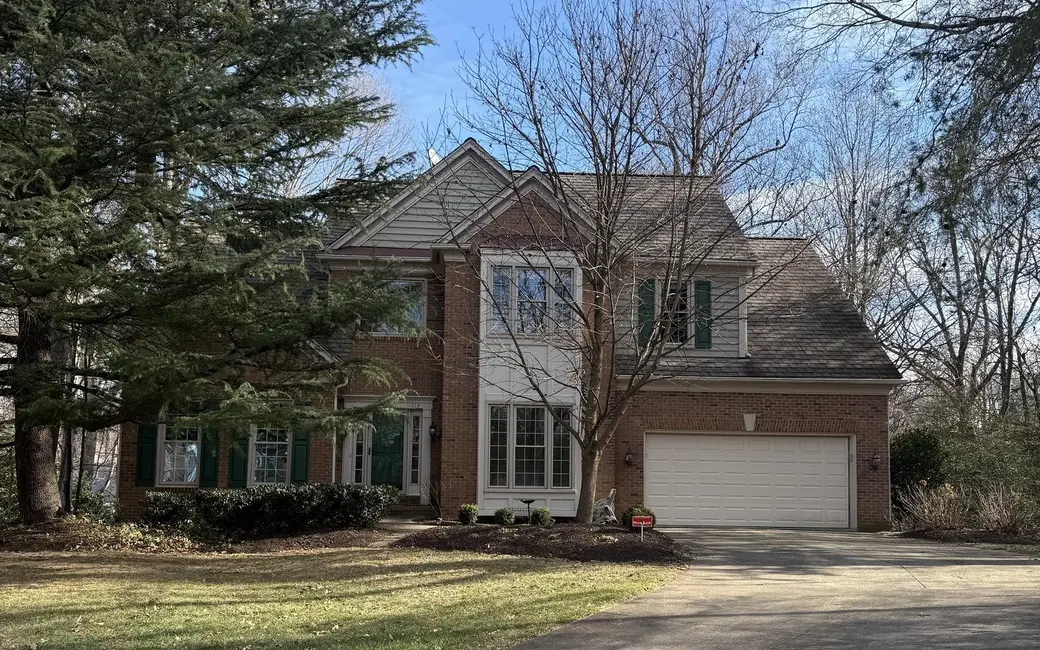
Short answer: Fix what would stop a sale or a loan, and do the cheap, visible things: paint, cleaning, small repairs. Skip big remodels right before selling. Sell as-is when the home needs more than a light refresh and you would rather not manage contractors.
Almost every seller asks some version of the same question: should we fix things before we list, or sell the home as it is? The honest answer is that it depends on the home, the buyer it will attract and how much time and money you want to put in. Here is how we think it through.
"Not every home needs a renovation to sell well. My job is to tell you which projects will pay you back and which ones only spend your money and your time."
— Clare Grana
What "as-is" means in Virginia
Virginia is often called a "buyer beware" state. Sellers give buyers a residential property disclosure statement in which the owner makes no representations about the home's condition, and buyers are advised to do their own inspections and research. That does not mean anything goes. Sellers still cannot hide known defects or mislead buyers, and some items, such as certain environmental issues, carry their own rules. Your agent and, if needed, your attorney can walk you through what applies to your home.
Selling as-is usually means you will not make repairs after the inspection, and buyers price that in.
Repairs that usually pay for themselves
- Things that would stop a sale or a loan: active leaks, failing systems, safety issues. Buyers and lenders tend to treat these as must-fix.
- Small, visible items: paint, burned-out bulbs, sticking doors, a dirty deck. Cheap to fix, and they shape a buyer's first impression of how the home was kept.
- Deep cleaning and decluttering. Rarely expensive, almost always worth it.
Projects that often do not
- Full kitchen or bath remodels right before selling. Buyers often want to choose their own finishes, and the cost is hard to recover in a short timeline.
- Work that only some buyers value, such as niche upgrades or highly personal design choices.
When as-is is the smarter choice
- The home needs more than a light refresh, and you do not have the time, cash or energy to manage contractors.
- It is an estate or trust sale and the family wants a simpler process.
- The home will likely attract buyers who plan to renovate anyway.
As-is does not mean careless. A clean, empty, well-presented home sells better than a cluttered one, even when nothing is repaired.
A simple test
For each project, ask two questions. Will a buyer notice it in the first ten minutes? And will it cost less than the price difference it is likely to make? If the answer to either is no, it is probably worth skipping.
Common questions
Do I have to disclose problems if I sell as-is in Virginia? Virginia sellers give buyers a disclosure statement and make no representations about condition, but they still cannot hide known defects or mislead buyers. Ask your agent or attorney about anything specific.
Will buyers ask for repairs after the inspection anyway? They may. Selling as-is tells buyers up front that you do not plan to make repairs, and the price reflects that.
Is a pre-listing inspection worth it? Often, for older homes. It shows you what buyers will find, so there are no surprises mid-contract.
"The question I hear most is, what should we fix first? Start with anything an inspector or lender would flag, then paint and clean. Most homes need less work than sellers expect."
— Clare Grana
Our selling as-is guide goes deeper into this decision. It is free on our Buyer and Seller Resources page, with no form to fill out.
If you would like an honest walk-through of what is worth doing in your own home, text Clare at 571.243.6851 or pick a time.
Related: What Downsizing From a Reston Home Costs, and What You Actually Net and our free home value review.
Sources
The Grana Group at Samson Properties. Clare Grana, licensed in Virginia, License #0225133634. Equal Housing Opportunity. General information only, not legal advice.




"You don't have to be ready to move to ask a question. Start with clear numbers and an honest plan, then decide on your own timeline." — Clare Grana
GET MORE INFORMATION